

Client Case Study: From Self‑Conscious Presenter to Audience‑First Communicator
Before joining the program, Laura didn’t realise how much presenting had quietly become all about the fears she had of:
What people would think of her
Whether her slides were good enough
What questions she might be asked
Presentations felt like a high‑stakes judgment zone, rather than a meaningful opportunity to communicate. Laura wanted to feel more confident, more effective and more grounded—but needed practical tools and a new mindset to get there.

Client Case Study: From Scripted Delivery to Real Audience Connection
When Brett and I met, we discussed his goals and something different from the norm emerged. As a senior leader, Brett was actually already confident on stage. The problem wasn’t nerves, as it is for many of my clients; it was establishing a real connection with his audience.
In everyday one-to-one conversations, Brett could naturally engage and build rapport. But when it came to presenting, his tendency was to over‑prepare. He would script everything, try to memorise it, and then rely on that script when he stepped on stage.
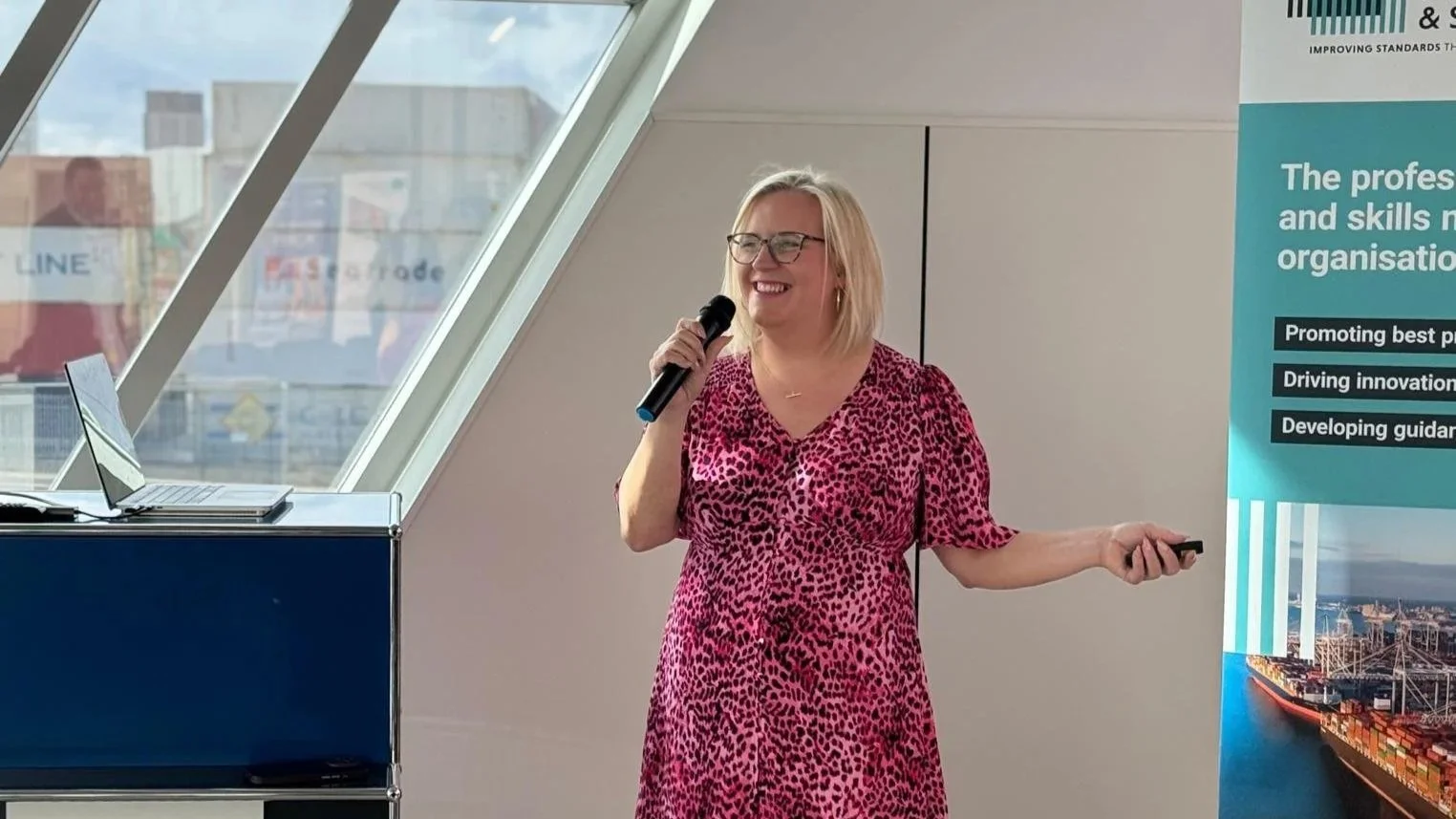
Why storytelling on stage is much simpler than it looks (and why you’re probably overthinking it!)
If you’ve ever yawned your way through a corporate presentation packed with dry, dusty statistics, you already know how to make your own presentations more engaging: storytelling.
We’ve all heard the advice that we need to tell stories to capture our audience’s attention and make our message more memorable. But if you're like many of the senior leaders and managers I work with, that advice can often actually do more harm than good. The idea that you must become a fantastic teller of tales creates a kind of performance anxiety!